Coal and Steel Trail
The Coal and Steel Trail will guide you through the industrial monuments of Czech and Polish Silesia. It features museums, mines, a brewery, and lime kilns, such as the Michal Mine in Ostrava, the Třinec Ironworks Museum, the Castle Brewery in Cieszyn, and the Łaźnia Moszczenica in Jastrzębie-Zdrój.
Travel with us along the Coal and Steel Trail, discover the places where our "black gold" emerged from the earth thanks to our ancestors. Where, in the sweat of our grandfathers, iron was smelted to create steel, and from that, products were sent all over the world. Learn how miners and workers in ironworks and steelworks lived. Get acquainted with the region of Upper and Cieszyn Silesia, a unique land… a land of coal, iron, and steel. An area that, besides the beauty of nature and historical monuments, offers a unique shared heritage connecting the history of Czech and Polish inhabitants of the industrial borderlands.




Jan Jarocki Museum in Ustroń
The museum is located in the historic building of the former management of the Klemens ironworks (operating from 1772 to 1897). It provides access to collections related to the history of Cieszyn Silesia, the history of local metallurgy and blacksmithing, ethnography, and spa treatment in Ustroń. A highlight of the museum is the open-air museum of machines, along with rich collections of everyday items that allow visitors to get acquainted with the life of the inhabitants of former Ustroń and Cieszyn Silesia. A special attraction for children is an exhibition showcasing historical toys, games, and books.
Castle Brewery, Cieszyn
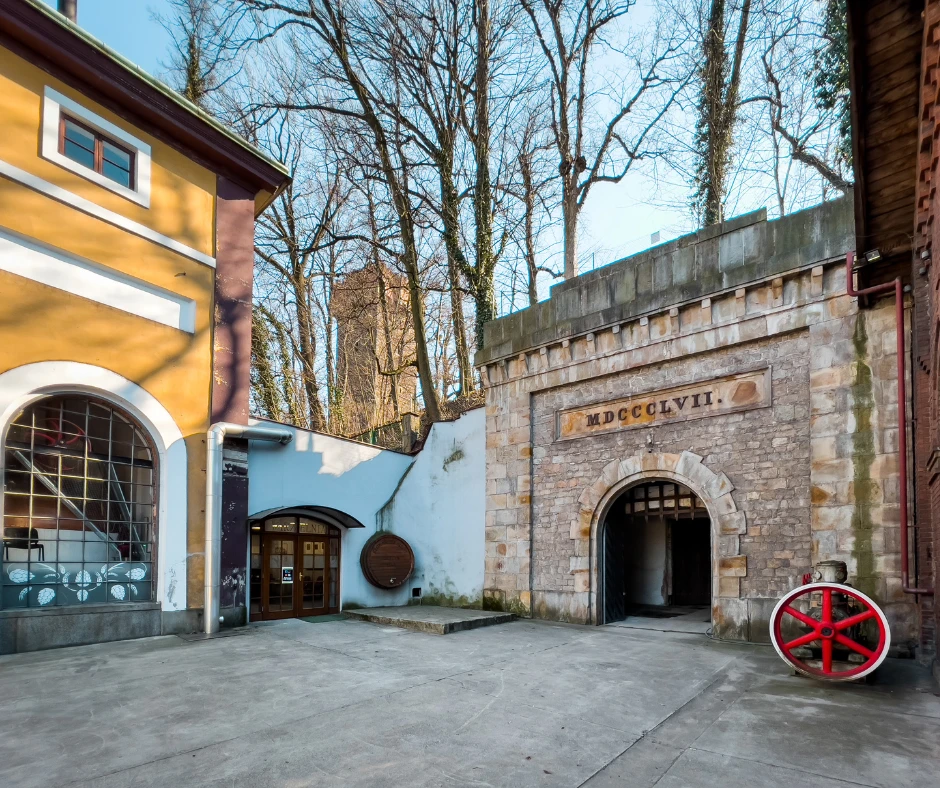
The brewery in Cieszyn is one of the oldest breweries in the world. It has been operating continuously since 1846 and produces beer using traditional technologies. The heart of the Castle Brewery is a tall three-story building with a rectangular courtyard inside. The building is connected to underground chambers that are part of a complex of underground corridors located at various levels on the hillside. In addition to beer production, the Castle Brewery also serves as a "living museum of brewing".
Heritage and Dialogue Institute "Łaźnia Moszczenica", Jastrzębie-Zdrój
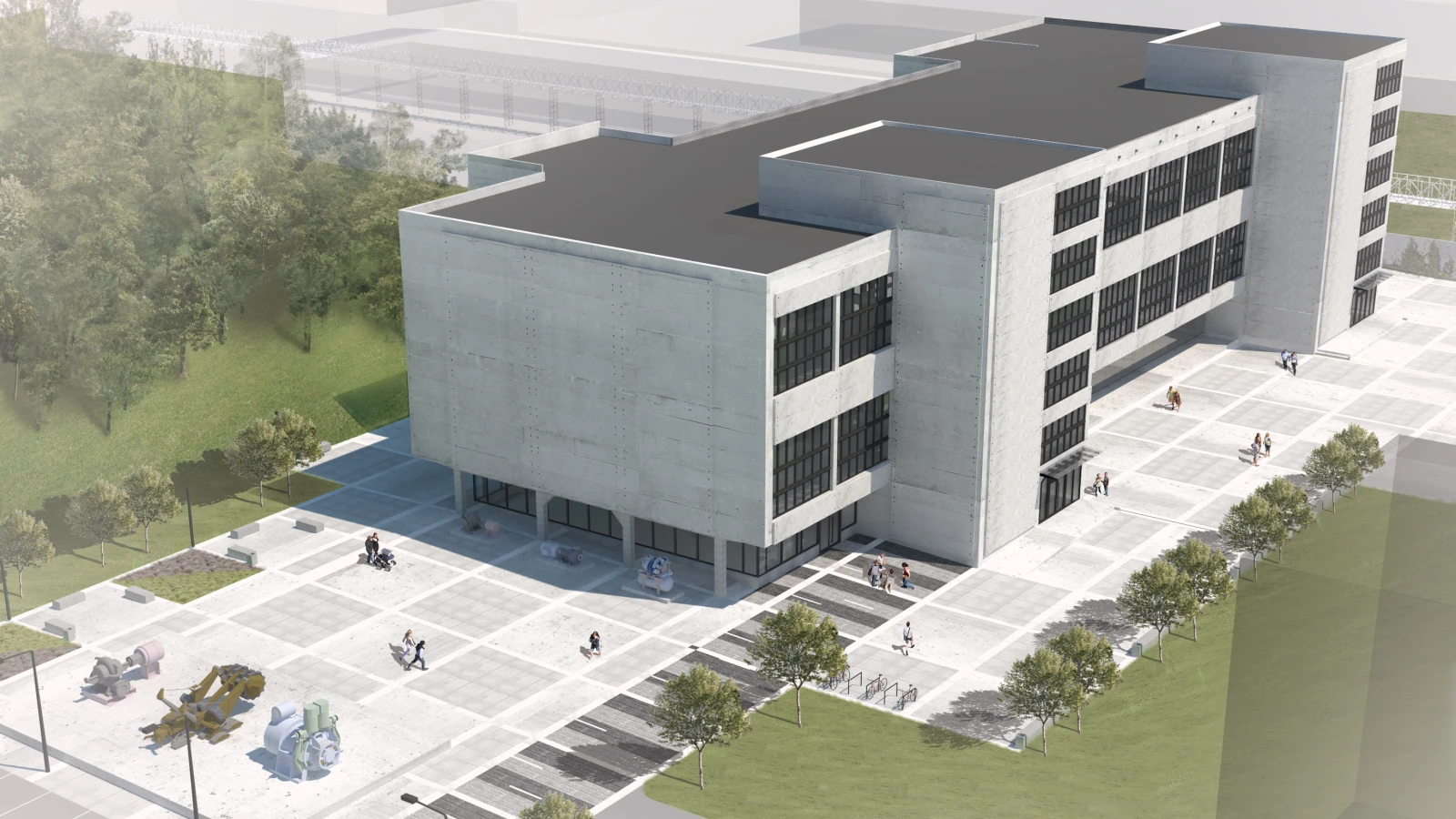
As part of the project "Post-Industrial Heritage of the Borderlands", the building of the former miners' baths of the "Moszczenica" mine will be transformed in 2023 into the Centre for Post-Industrial Heritage "Łaźnia Moszczenica". The Centre will feature a multi-part exhibition presenting the history, development, and culture of Upper Silesia using the latest presentation methods. These will include full interactivity of exhibits and presentations, classic mining exhibits, and the establishment of an information centre. Thanks to the use of 3D technology with elements of augmented reality and interactive exhibits, tourists will be able to independently try various jobs and processes related to mining (including historical and original mining methods) and heavy industry. Different parts of the Centre will be dedicated to various target groups, taking into account age and content.
Familoky – Heritage Housing Estate of the Coal Mine "Dębieńsko", Czerwionka-Leszczyny
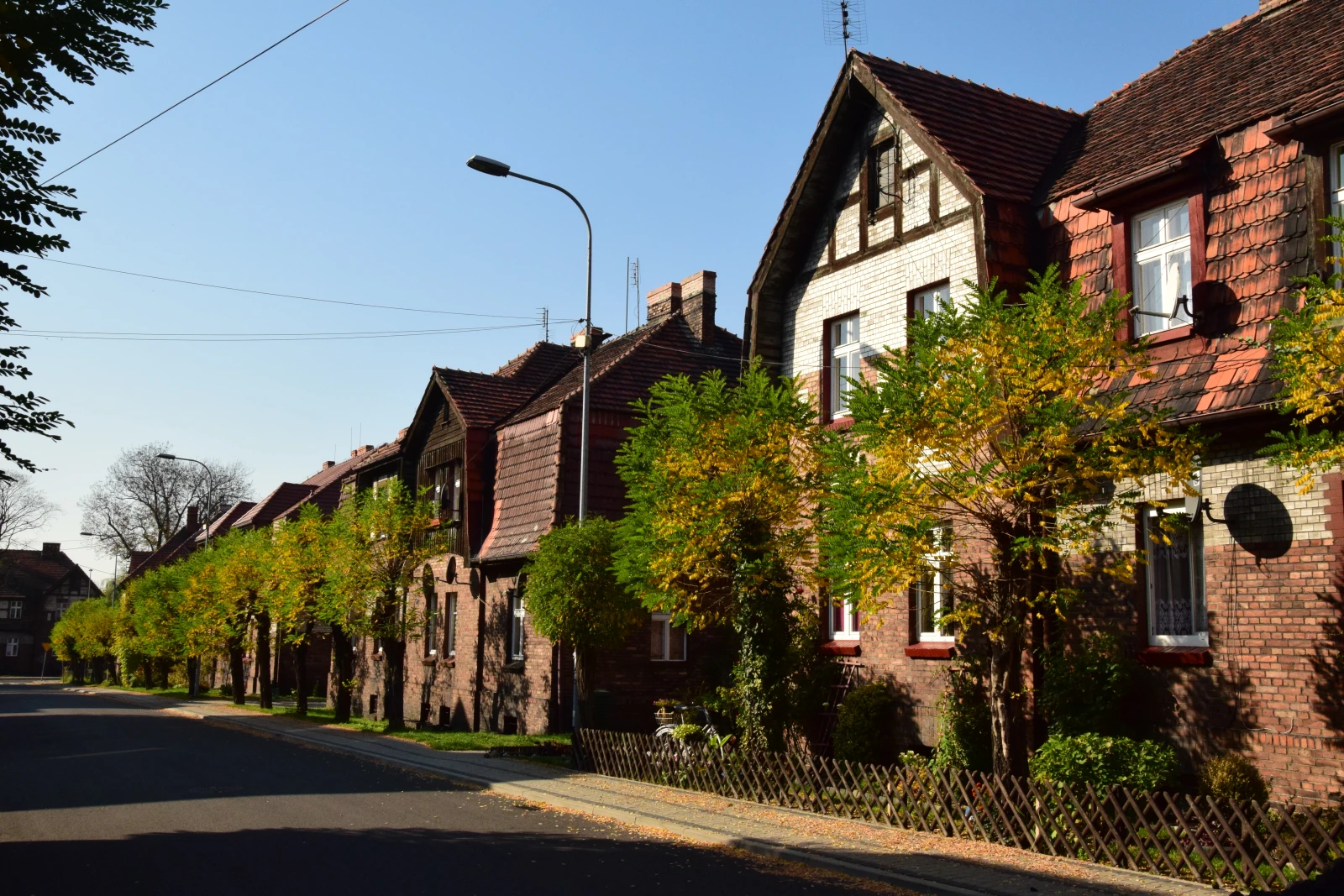
The historic patronage estate of the "Dębieńsko" mine - Familoki is one of the most beautiful and best-preserved colonies of this type. It is designed to form a coherent whole, even though each of the approximately one hundred family houses is different. It stretches along Szkolna, Wolności, Słowackiego, Hallera, Kombatantów, and Mickiewicza streets over an area of 15 hectares, making it the largest protected area of family houses in Silesia. The estate consists of 84 buildings, which are single-story and two-story, built of red bricks with white glazed ornaments. Since 1995, the area has been listed in the register of monuments.
Historical Mine Ignacy, Rybnik
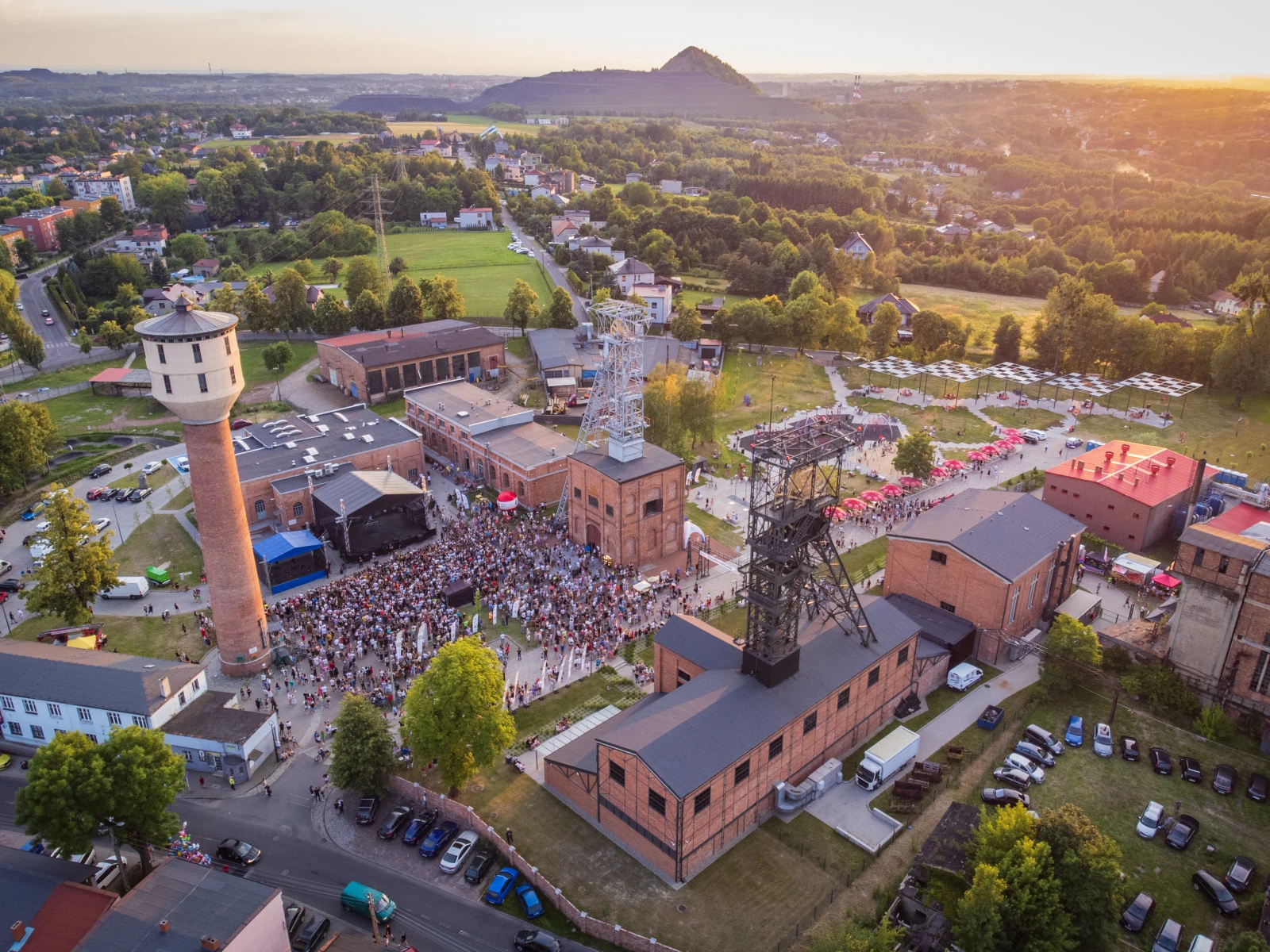
The Ignacy Mine holds a remarkable place in the history of Rybnik. It modernly combines the functions of a museum with hosting unique cultural events. The most valuable monument is two steam-powered winding machines. They exemplify the outstanding industrial thinking of the time and the perfectly preserved heritage of Rybnik's mining past. A major attraction of the mine is the opportunity to enter the observation deck in the former water tower, from which there is a beautiful view of the city panorama.
Lime Kilns in Vendryně
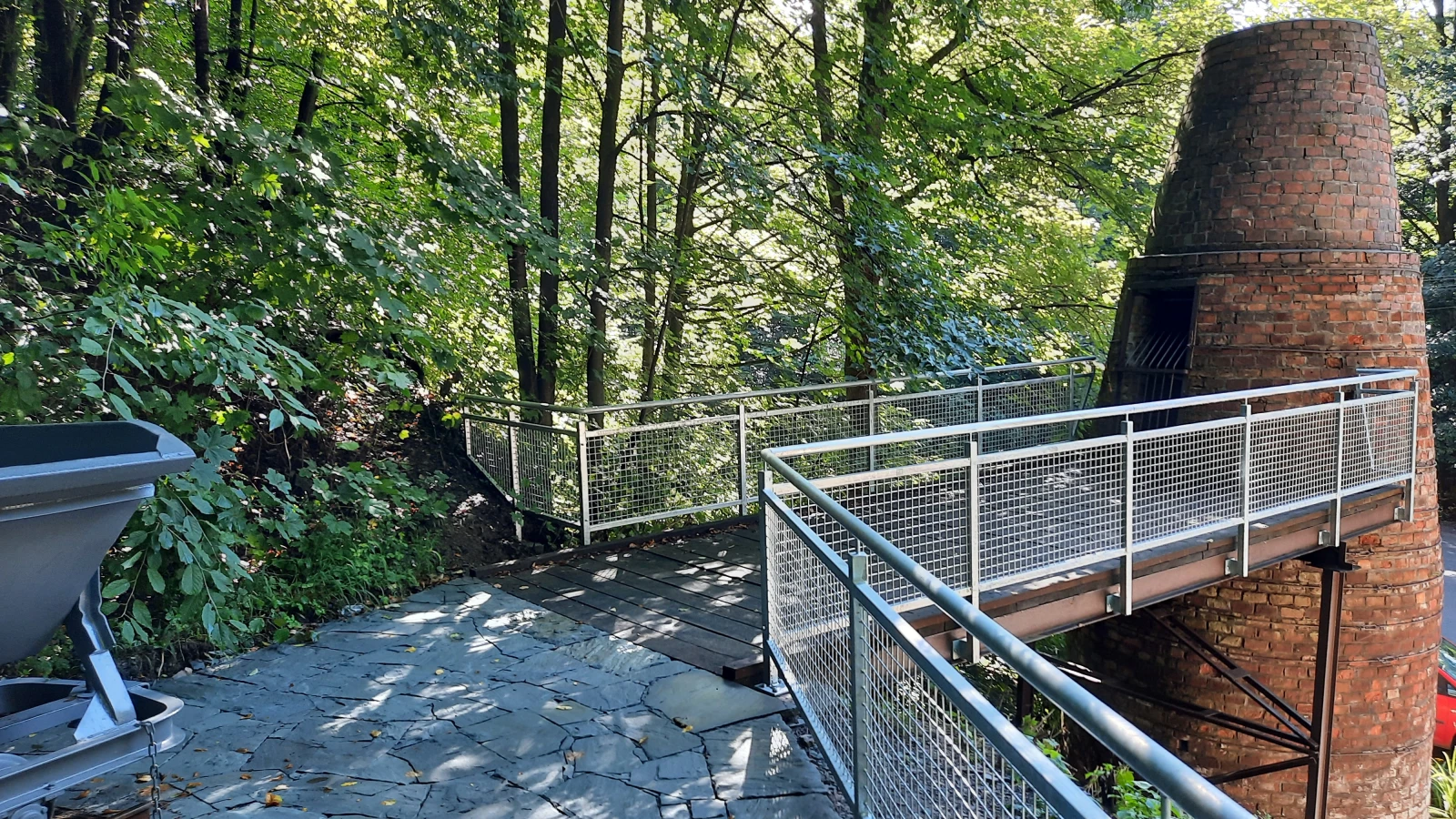
The lime kilns are a technical remnant of geological surveys of the Carpathian slopes that took place in the early 19th century. The survey was conducted to find iron ore deposits for the needs of local ironworks. Using coal and limestone, burnt lime was produced in the kilns until 1965. There are two kilns on site, one original and one newer. After visiting this technical monument, where the original loading trolley remains, visitors can rest in a newly created shelter, next to which stands an information board.
Třinec Ironworks and City Museum Třinec
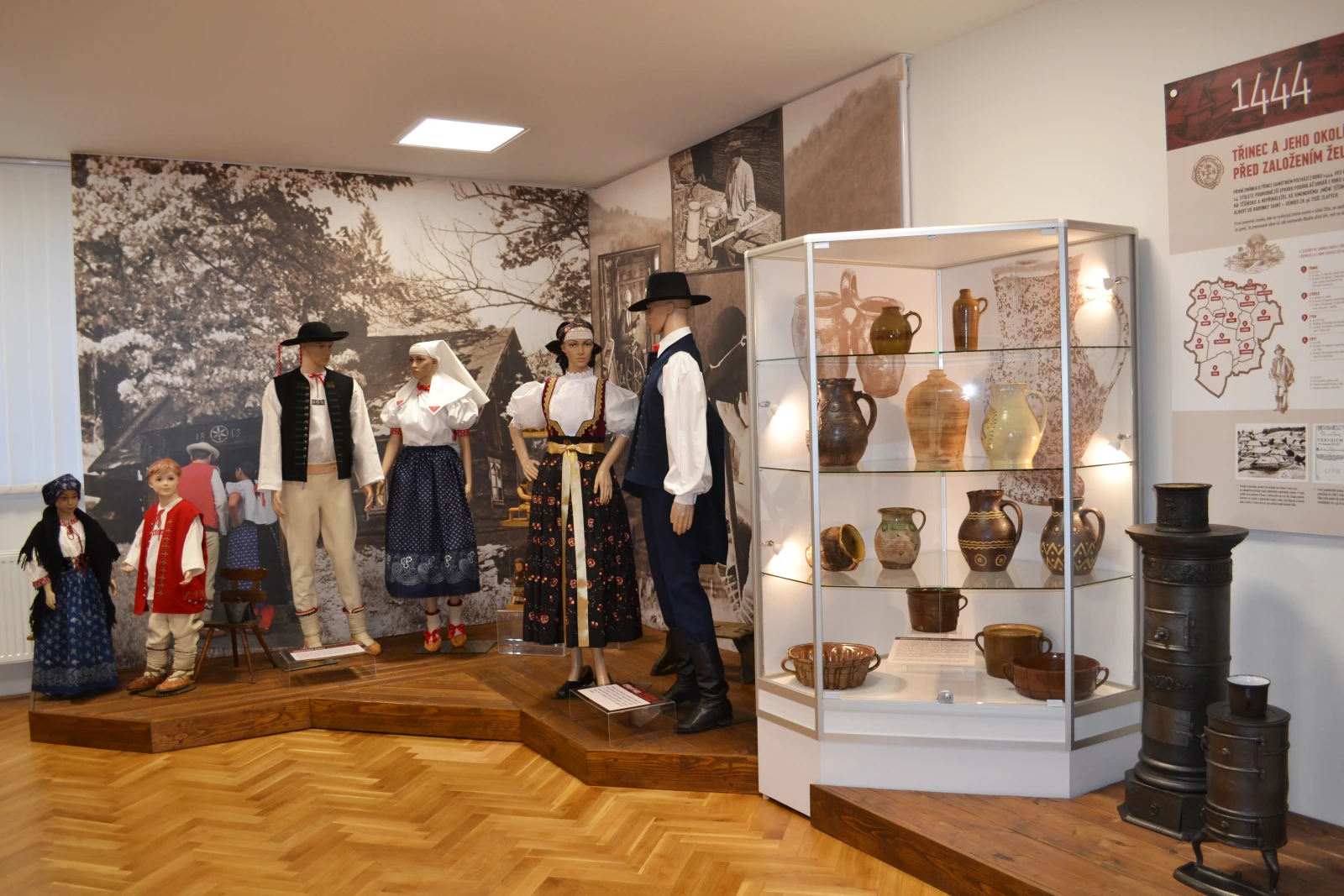
The Třinec Ironworks and City Museum is a place where beauty meets history. The museum's permanent exhibitions introduce visitors to the rich history of Cieszyn Silesia and the founding of the Třinec steelworks. Unique historical and original artifacts from steel production dominate the exhibition halls. Individual text panels with rich visual supplements guide visitors through three exhibition rooms. They present the historical development of Třinec and the key moments that led to the establishment of the ironworks. The museum's interior also includes the Gallery on the Stairs and temporary exhibitions. In the museum garden, there is an outdoor Gallery Werk.
Michal Mine, Ostrava
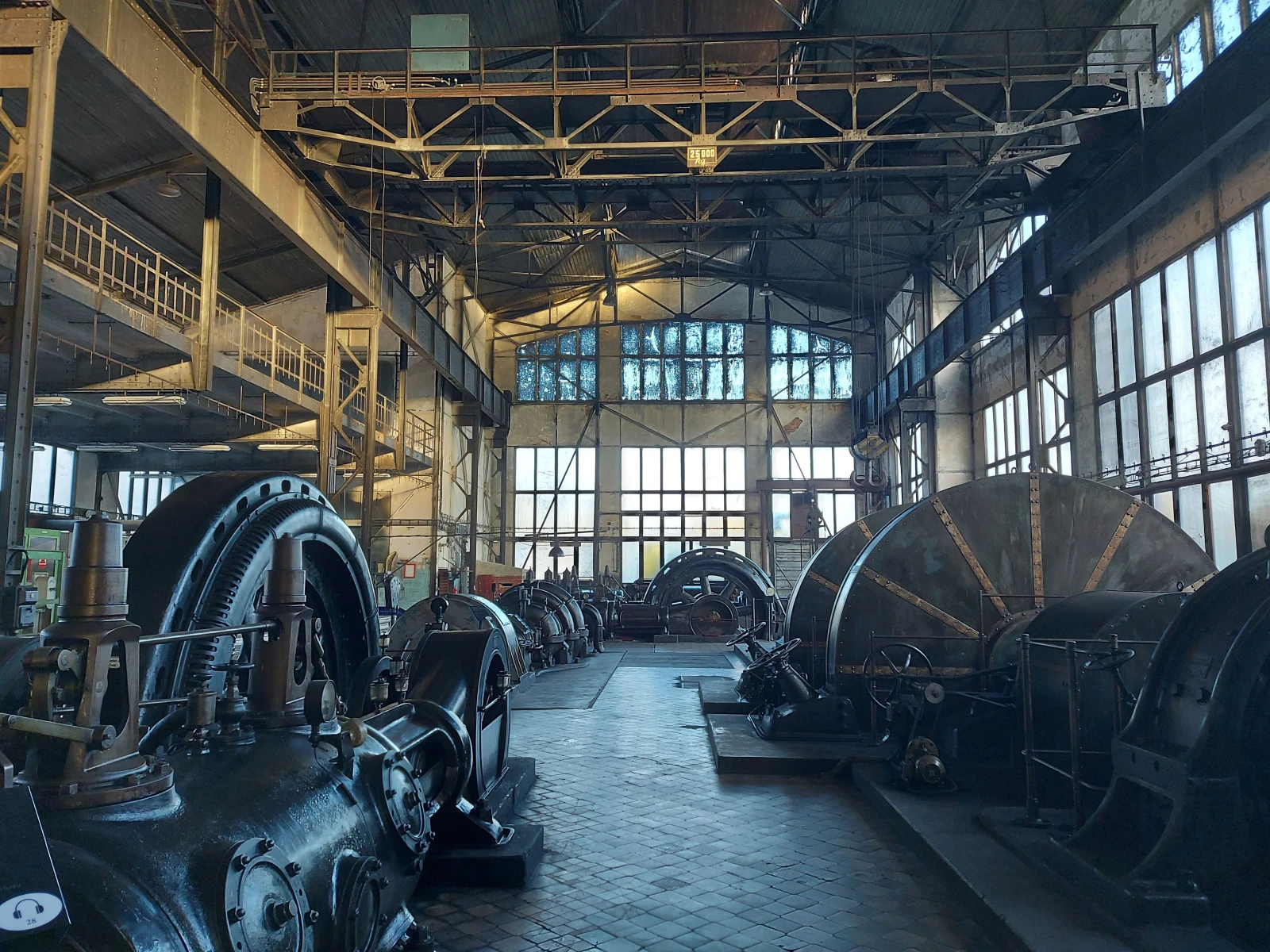
The Michal Mine is a former coal mine with a preserved complex of surface buildings and a unique collection of original machinery from the mine's reconstruction in the early 20th century. However, the history of the Michal Mine began in 1842 when a circular privileged mining area was established in Michálkovice, and a year later, two shafts were sunk, the first shaft Ferdinand, the second Michal. Mining continued until 1993 when it was halted as part of the restructuring of heavy industry. The area was declared a national cultural monument in 1995, is included in the European Route of Industrial Heritage ERIH, and is on the indicative list of the Czech Republic for inclusion in the UNESCO World Heritage List. The exhibition at the Michal Mine is installed according to the concept of the last working day, emphasizing the authenticity of the environment and detail. The tour follows the path of a miner starting work. Two visitor routes will take you to the exhibition in the administrative building with authentic office equipment, and you can also visit the hoisting building and machine room with original electric machines and other attractions, such as a visit to the boiler room with the operation of a steam engine from 1893. In addition to tours, cultural and educational events, contemporary art exhibitions, and weddings are held at the Michal Mine site.
LANDEK PARK Mining Museum, Ostrava
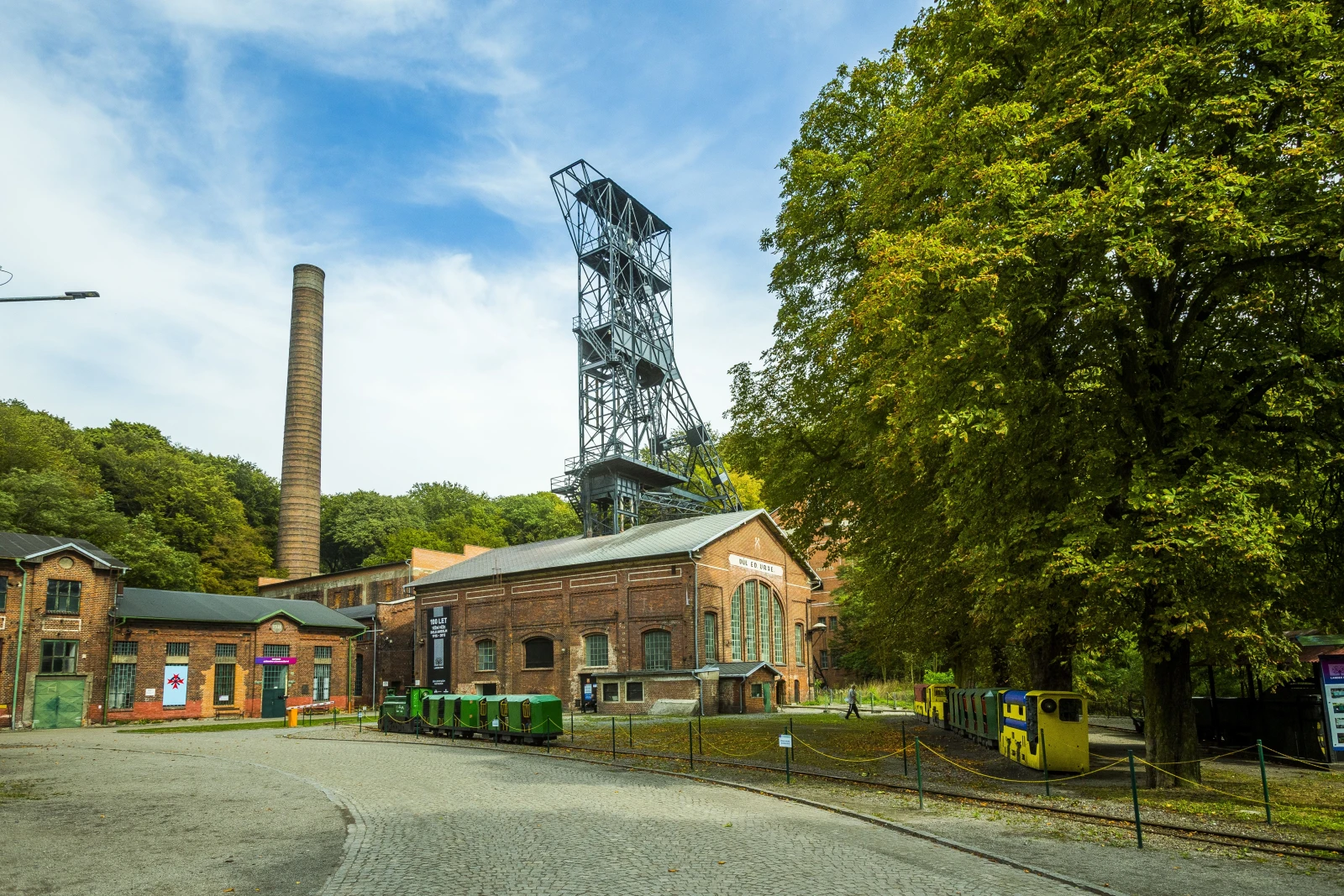
The largest mining museum in the Czech Republic is located in a vast industrial complex on the edge of the protected National Natural Monument Landek. The dominant feature is a forty-meter hoisting tower, and there are a total of 250 meters of tunnels underground. The guided tour of the museum, summarizing coal mining from 1782 to 1990, includes, among other things, authentic descent into the mine and demonstrations of the operation of some mining machines. Children can ride the original mining train from the 1960s or try rescue training at a training rescue polygon. The museum also features an exhibition on mining rescue, which has long been among the largest of its kind in the world. In addition to historical treasures, it includes modern breathing and rescue technology. The mining museum is accessible year-round.
Little World of Technology U6, Ostrava
Dolní Vítkovice in Ostrava is a world-unique complex where coal was mined and raw iron was produced from 1828 to 1998. In 1828, the Archbishop of Olomouc Rudolf Habsburg issued a decree establishing an ironworks in Vítkovice. Thus, a unique complex of heavy industrial production emerged, from coal mining through processing and coke production to raw iron production, which does not exist elsewhere in Europe. Today, this industrial complex is a unique educational, cultural, and social center with international significance. One of the attractions of Dolní Vítkovice is also the Little World of Technology U6. An interactive museum where visitors can playfully learn about the history and development of industry, transport, and technology. The entire exhibition is located in the unique environment of the former VI. Energy Central. Currently, the Little World of Technology U6 is closed due to ongoing renovations of the exhibitions. This is being realized thanks to the project Post-Industrial Heritage of the Borderlands or the Coal and Steel Trail and will provide children and adults with the opportunity to better understand the processes of coal mining and processing or steel production. The reopening of the renovated exhibition is scheduled for May 2023.
Gallery